Nairobi Passengers Question Electric Bus Fares as Prices Rise by Sh20 Despite No Fuel Use

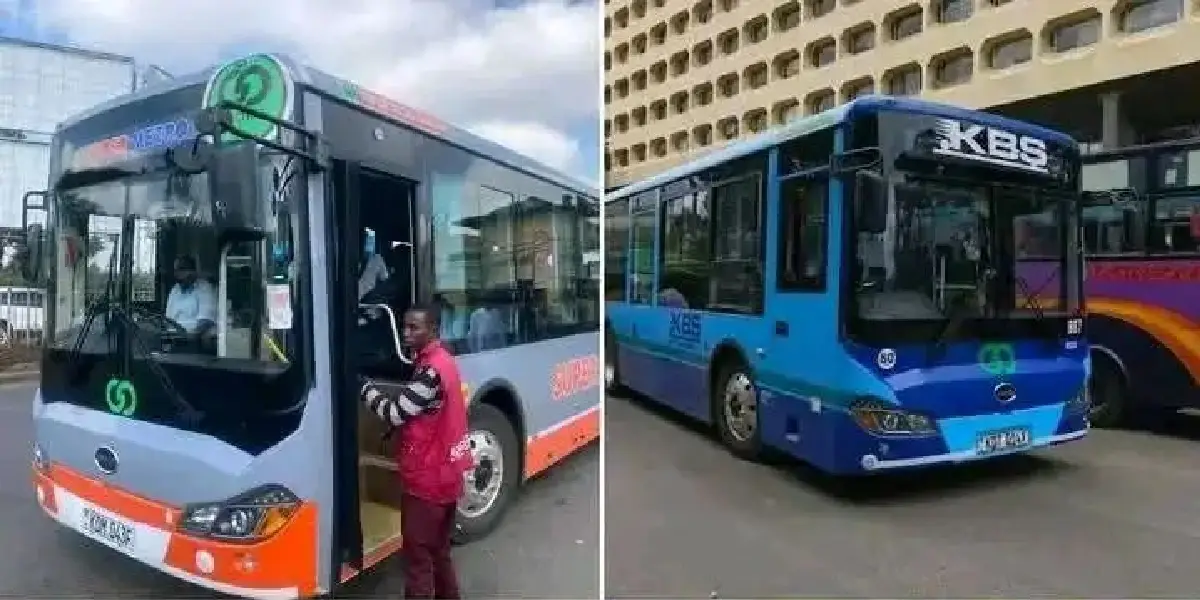
Passengers’ complaints about Nairobi’s electric buses charging an extra Sh20 fare highlight a growing debate around electric mobility in the city.
Even though electric buses don’t use petrol or diesel, operators argue that fares are not based only on fuel costs. Instead, pricing still factors in high upfront purchase costs, battery financing, charging infrastructure, and maintenance systems, which can be expensive to set up and run despite lower daily energy costs compared to diesel vehicles.
Some commuters, however, feel this defeats the purpose of electrification, expecting cheaper fares since fuel expenses are eliminated. This has led to frustration, especially on routes where fares appear to have increased by around Sh10–Sh20 depending on demand and timing, similar to traditional matatu pricing patterns
Transport analysts note that in Nairobi’s matatu system, fares are still largely market-driven and demand-based, meaning operators adjust prices regardless of whether a vehicle is electric or diesel. Until there is a regulated EV-specific fare structure, passengers may continue experiencing similar or even higher charges on electric buses.
In short: electric buses reduce fuel costs, but that saving is not yet fully passed on to commuters.