The Mungiki Girl Who Refused the Knife

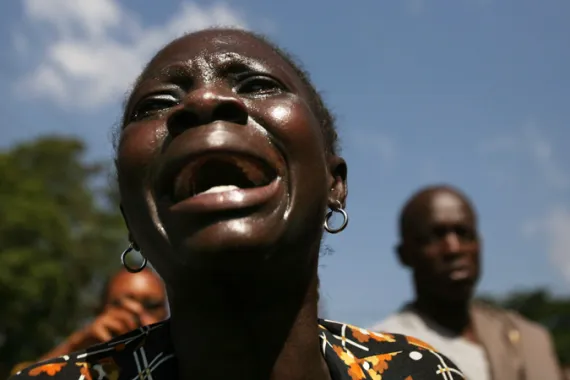
Like a story from a collection of fairy tales, there is a story about a young woman that people in town speak about in hushed tones. We cannot even mention her name to protect her. She is not simply a former Mungiki member. Her story is about entering a secretive movement, challenging some of its practices from within, and eventually running for her life, leaving a trail of bodies behind her and escaping with profound trauma.
At one point, she was inside the Mungiki world. But she refused to undergo female genital mutilation (FGM), or the “knife”, a practice associated with some factions and ceremonies linked to the outlawed movement, similar to the underground operations exposed during police raids on sect hideouts in Juja. Instead of submitting, she began speaking out against it. That decision changed everything.
Her opposition did not stop with her. Other young women became caught up in the conflict. Some reportedly disappeared into hiding, while others suffered violence. According to accounts of Mungiki internal rules, there was little room for such defiance without consequences, whether through forced FGM, assault or, in the most extreme cases, execution for what was considered defamation.
She had rattled the snake. And according to the accounts surrounding her story, she soon learned that crossing the sect could mean forfeiting any guarantee of seeing old age.
Was she reckless? Naïve? Or courageous enough to do what many others could not — challenge the people around her after discovering the true depths of what she had entered?
Perhaps the uncomfortable answer is that she was all three: a young woman who made dangerous mistakes, found herself inside something far bigger than she understood, and then found the courage to fight her way out.
Her ordeal, however, echoes a broader and terrifying pattern.
As documented in investigative accounts such as Ross Kemp on Gangs: Investigating the Mungiki Sect in Kenya, the organisation’s violent enforcement of rituals, killings and absolute obedience casts a long shadow.
In the documentary, when asked what would happen if their presumed leader, Maina Njenga, were harmed, one member responded with a chilling warning that they would retaliate by burning towns from Eldoret to Nairobi and Mombasa. Others who crossed the sect, including members who became its martyrs and leaders who were captured under mysterious circumstances, met violent ends. Some were reportedly shot just before the documentary came to an end.
For most ordinary Kenyans, the documentary tells a familiar story — one we have heard before and perhaps know too well. But for her, it was only the beginning of a nightmare.
Think about it. Where on earth can she truly be safe? Where can she find peace without the fear of constantly looking over her shoulder?
Is it time to come home?
The June 2024 Finance Bill demonstrations and the impeachment of Deputy President Rigathi Gachagua point to a more turbulent Kenya, with tensions in Mt. Kenya likely to remain high as the country moves towards the 2027 election.
We do not know what she experienced during previous episodes of post-election violence, and one can only hope she did not personally go through them. But with the clouds gathering again, many fear that 2027 could bring another violent storm, regardless of whether Raila Odinga runs or not.
For someone who has already lived through one nightmare, the question is not simply where she can hide.
It is whether Kenya can become safe enough for her to come home.